

Pro Talk Books – David Miller – Spine
Pro Talk Books – David Miller – Spine
Endurance race specialist photographer David Miller’s latest book focuses on the Montane Winter Spine Race that follows the length of the Pennine Way, an event that tests the stamina and spirit of the contestants to virtually breaking point. It’s a remarkable and insightful record of a hugely challenging event, and we caught up with David to find out more.
INTERVIEW: TERRY HOPE IMAGES: DAVID MILLER
BRITISH DOCUMENTARY PHOTOGRAPHER David Miller specialises in images that explore endurance, landscape and the people drawn to the edge of human experience. His photographs have documented some of the world’s toughest ultramarathons, including the Barkley Marathons and Ultra-Trail du Mont-Blanc, and his images are recognised for their atmosphere, honesty and quiet storytelling.
Hi latest project, which forms the subject of his latest book, Spine, focused on Britain’s toughest ultramarathon, the Montane Winter Spine Race. With a Leica Q3 in hand, for one unforgettable week in the depths of winter David followed the runners as they tackled the formidable 268-mile Pennine Way from Edale to Kirk Yetholm. The aim was to record far more than just the race: rather this was intended to be a full picture that laid bare the incredible amount of suffering, will power and sheer endurance required for those taking part to make it to the finishing line.
We caught up with David to hear more about how he set about capturing the essence of this epic event, and the crowdfunding route he took to ensure his sensitive and revealing documentary ultimately made it into print, presented on his own terms.
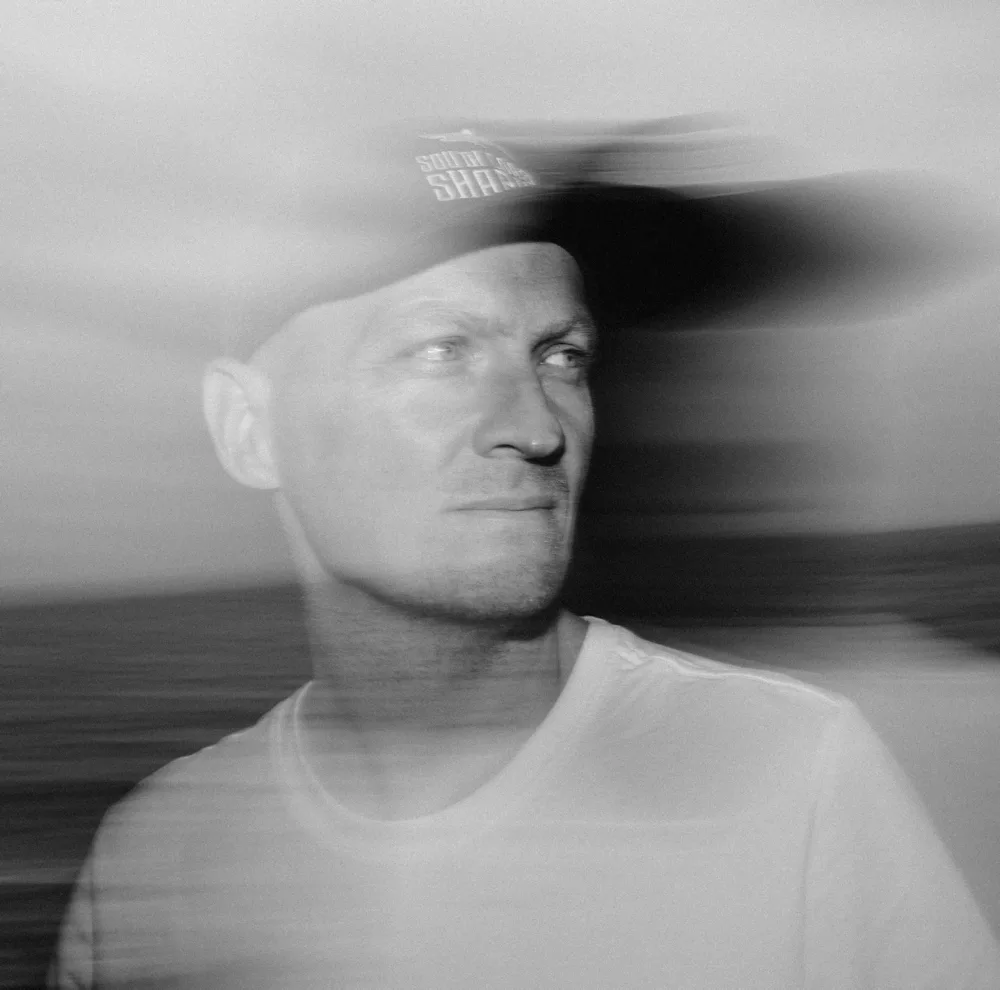


Q Good to catch up with you David! Can you tell us a little more about yourself please and your background as a photographer?
I’m based in Weymouth on the south coast of England, and have been specialising mainly in trail running and endurance sport for around seven years now. During that time my work has become less about simply documenting races and much more about the people, places and strange little moments that surround them.
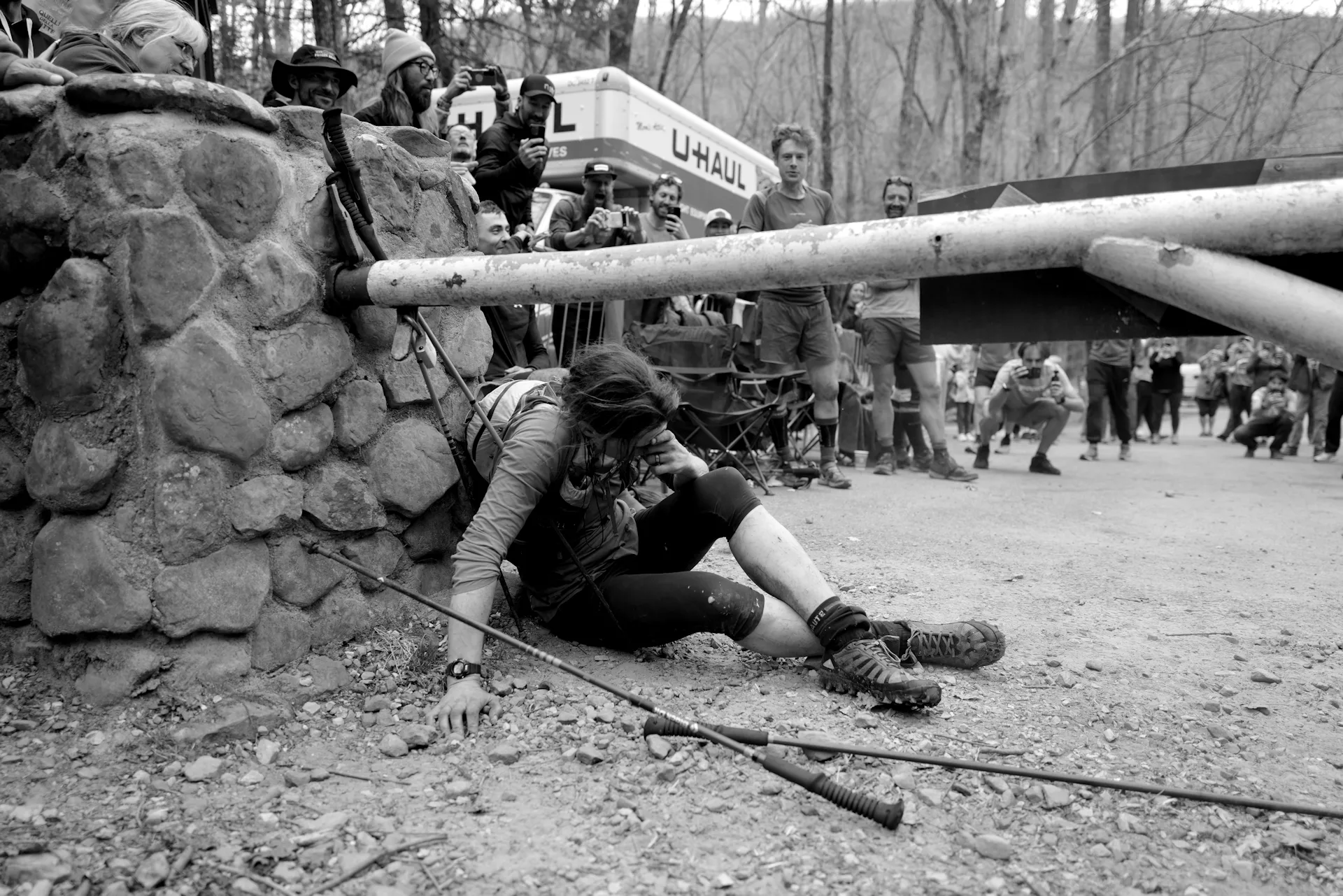
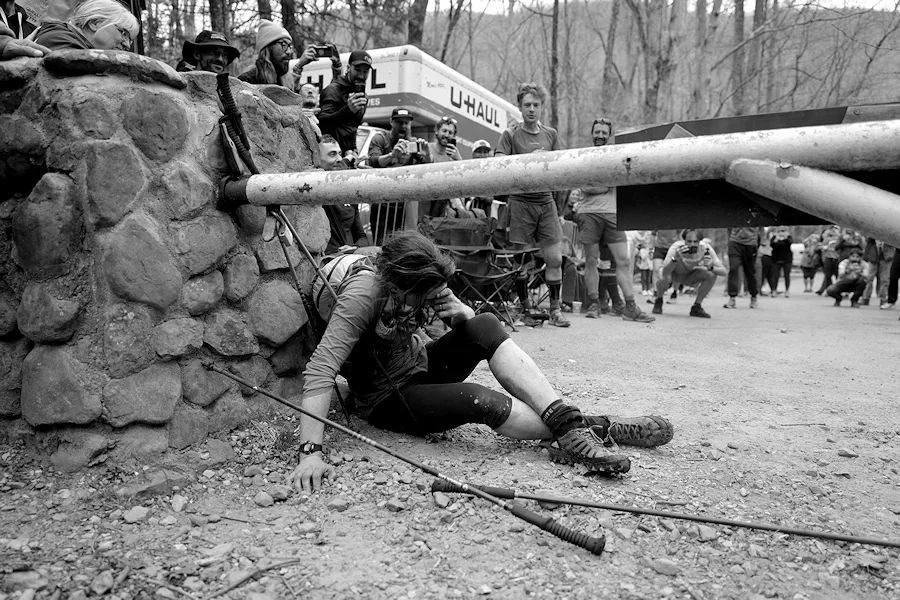
I’ve photographed events including UTMB (Ultra Trail du Mont Blanc) and the Barkley Marathons, as well as working with various brands and publications connected with running. In 2023 I won the People’s Choice Sports Photography Award at the British Photography Awards, and the following year I photographed Jasmin Paris becoming the first woman to finish the Barkley Marathons. That photograph went on to become the image I’m probably best known for (main header image above).
My first book, Do Not Block Gate, documented the Barkley Marathons and completely sold out. Spine is my second book and, in many ways, feels like the next stage of what I’m trying to do photographically.
Q What led you to specialise in running and endurance sport?
Photography started fairly organically for me. I was a runner first, and I think that’s always shaped the way I photograph. This was a world I already understood and loved. I’ve run ultras myself so I know what it feels like to be on the other side of the camera.
What fascinates me about endurance sport is that eventually all the layers disappear. If somebody has been awake for three days, they’ve run 150 miles and they’re cold, hungry and exhausted, there isn’t much performance left. You see people in quite a raw state. That’s where I think the interesting photographs are. The race is obviously important, but I’m often more interested in everything happening around it.
Q I assume that you need to have this intimate understanding of your subject to help you decide on your coverage and the most likely places for the best images?
Definitely, although I try not to over-plan it. Knowing the sport gives me a huge advantage because I can anticipate what might happen and where people are likely to struggle, but some of my favourite photographs have come from things I could never have foreseen.
I’ll look at the route, weather, timings and landscape and have a rough idea of where I want to be, but then I’m constantly changing that plan. With the Spine Race in particular, it became about following my instincts. Sometimes this meant ignoring an obvious spectacular location because something much quieter was happening elsewhere. A tired runner sitting in a toilet block at three in the morning can tell you far more about the race than another photograph of somebody running across a mountain.
Q What made you decide to cover the Montane Winter Spine Race, and was this a subject that you’ve been wanting to look at closer for some time?
I’d wanted to photograph the Winter Spine properly for a long time. It has everything I’m drawn towards, photographically: huge landscapes, unpredictable weather, darkness, isolation and people being pushed to an extreme.
It’s 268 miles along the Pennine Way in January, so it already feels like a story before you even point a camera at it. But I wanted to go beyond photographing it as a sporting event. Rather I was looking to disappear into the race for a week to see what I could come back with. That was really the starting point for Spine: I knew from the beginning that I wanted the photographs to work together as a body of work, rather than be about me simply producing a gallery of good race pictures.
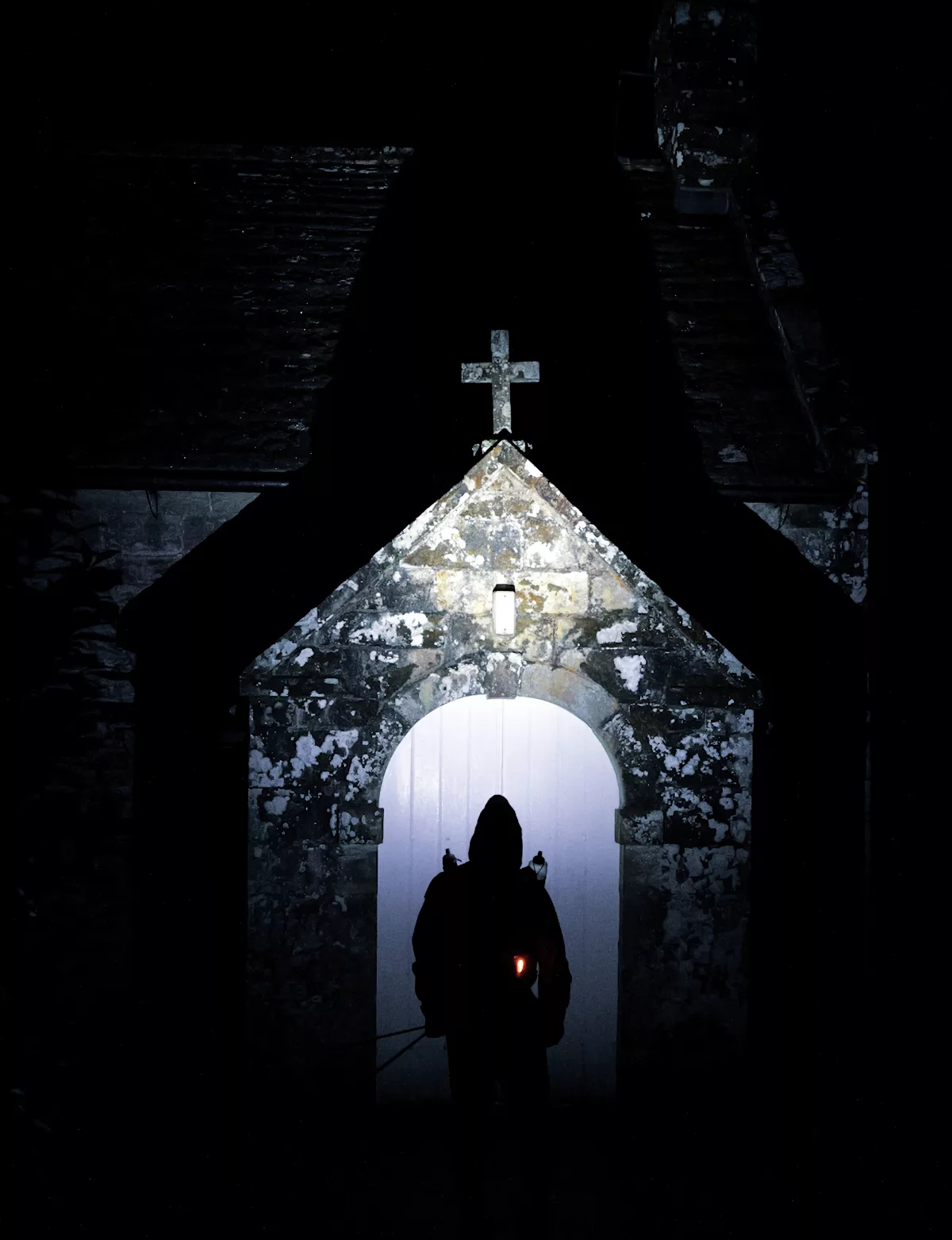
Q This does sound like a brutal event that takes a lot out of those who take part. Was this one of the key things you were looking to capture in your coverage?
Absolutely, but I didn’t necessarily want to make it look heroic all the time. There’s obviously an incredible physical achievement involved, but what interested me were the consequences of that effort. Sleep deprivation, exhaustion, loneliness, feet falling apart, people sitting silently eating food at checkpoints, volunteers looking after runners in the middle of the night.
There’s also a lot of kindness in the Spine. Against all that brutality you have these tiny moments of warmth and humanity, and I think that contrast became one of the most important parts of the book. I wanted somebody who has never heard of the Spine Race to be able to look through the photographs and understand something about what it feels like to be there.
Q You’ve mentioned in your Kickstarter video some of the story about how you followed the participants in the face and slept in your car for a full week to follow the race. Can you tell us a little more about this aspect of things perhaps?
It was pretty relentless. I essentially lived out of my car for the week and moved north with the race. I’d photograph somewhere, drive ahead, sleep for a couple of hours in the car, wake up and go again. After a while you become slightly detached from normal life yourself. You’re eating whenever you can, sleeping at strange times and standing on the side of the Pennine Way at three in the morning wondering what on earth you’re doing there.
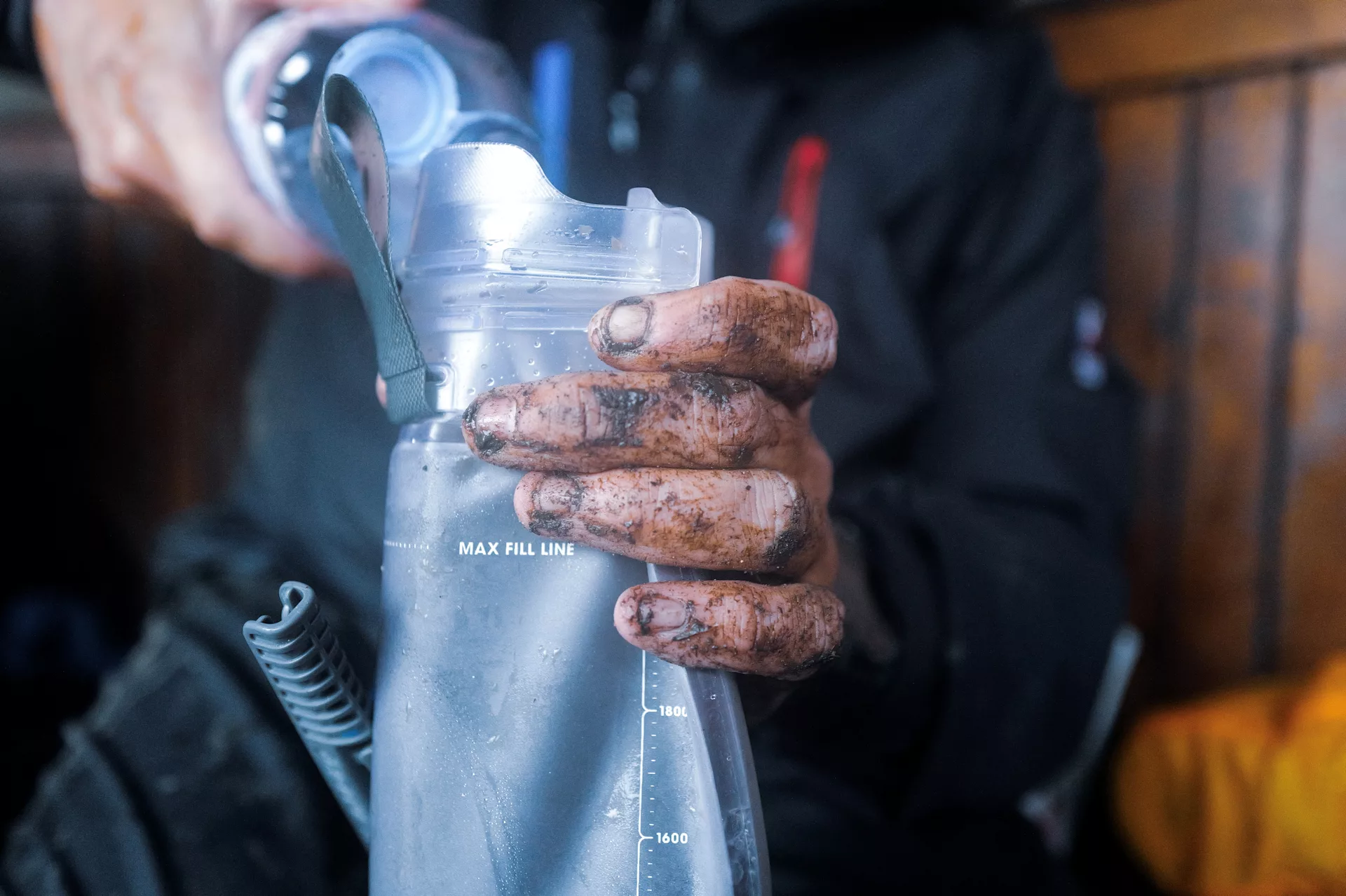
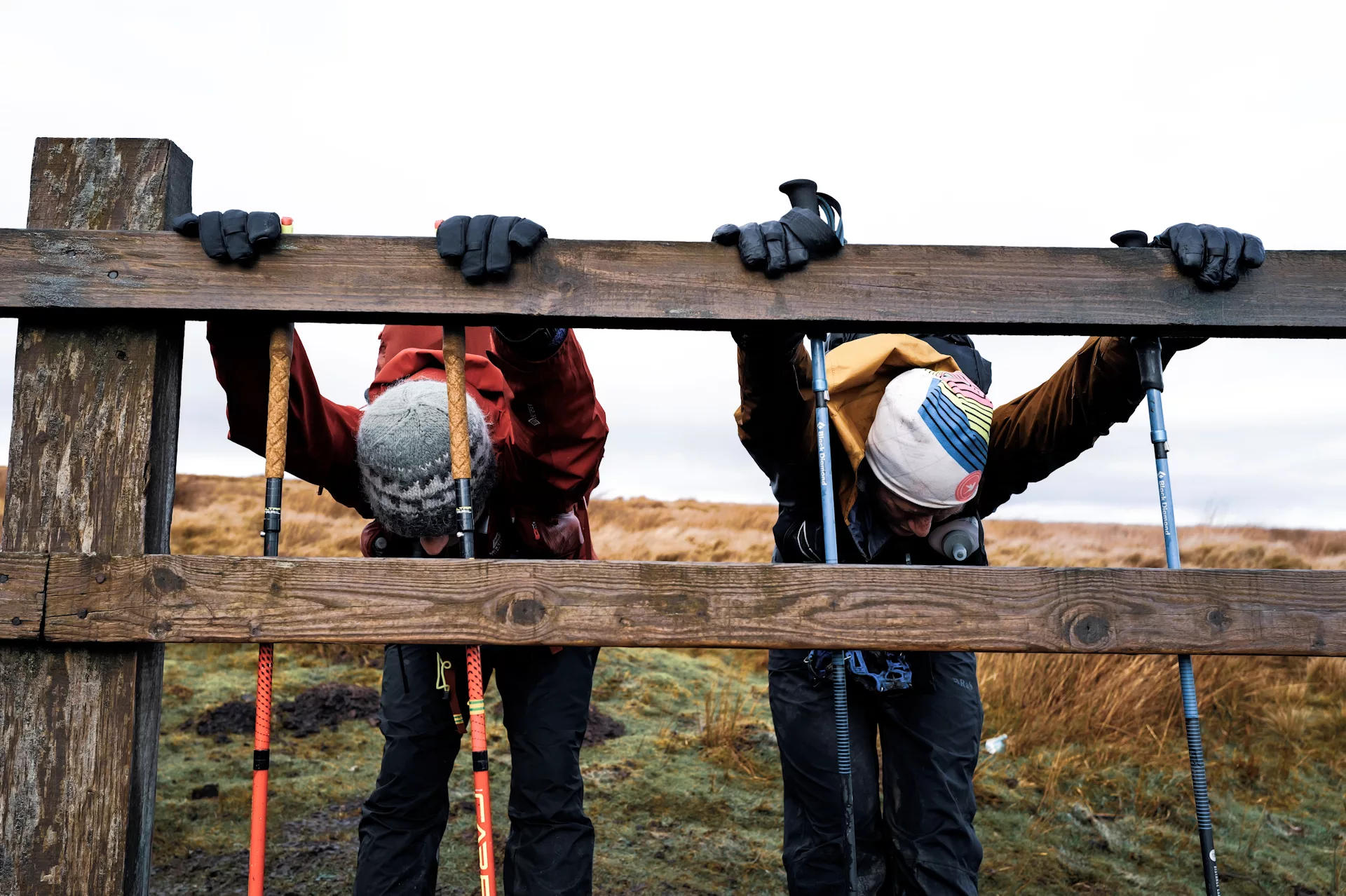
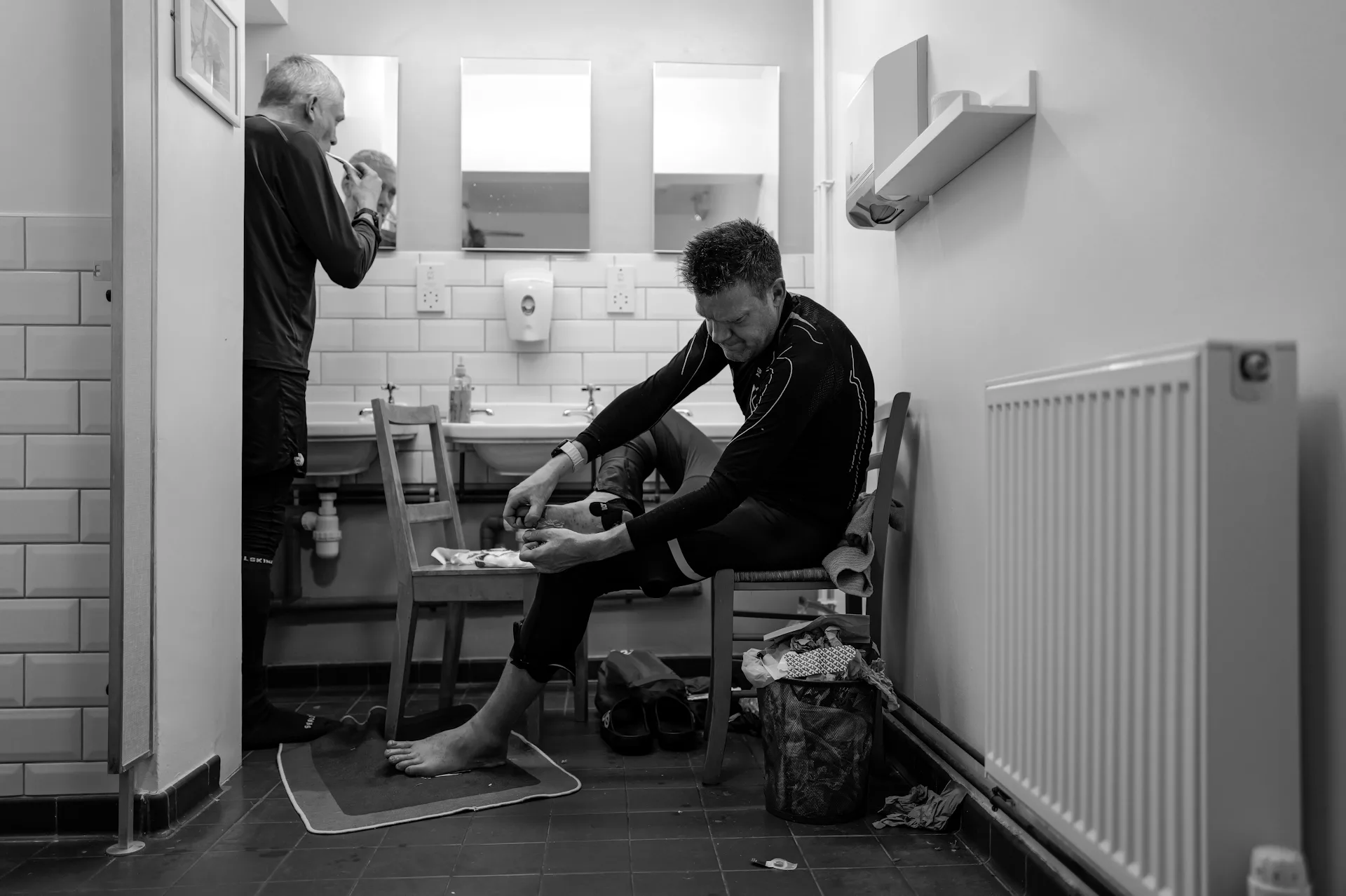
Obviously, what I was experiencing was nothing compared with the runners, but I think being immersed in it like that was important. I didn’t want to arrive for the nice light, take a photograph and go back to a hotel. By the end of it all I was exhausted as well and, strangely, I think that helped the work. I became part of the rhythm of the race rather than somebody dropping in and out of it.
Q The event obviously also took place in winter, so was this also an important element of your coverage, and something that also challenged you as a photographer?
Winter is almost another character in the book. You’ve got snow, rain, wind, darkness and huge areas of the Pennines where there is very little shelter. Conditions can change incredibly quickly. Photographically that can be brilliant, but physically it can be miserable.
There were occasions where visibility disappeared almost completely, but rather than fighting that I tried to use it. One of my photographs reduces a runner to almost a black mark against a completely white landscape. It’s incredibly simple but, for me, it says a lot about the scale and isolation of the race.
The biggest challenge was probably staying alert enough to recognise photographs when I was cold and tired myself. It’s very easy at that point to just document what’s in front of you rather than actually see.
Q From a kit perspective, what made you choose to work exclusively with the Leica Q3?
In a word, simplicity. The Q3 has a fixed 28mm lens, so there’s no decision about lenses and very little equipment to carry around. I can concentrate entirely on what’s happening in front of me.
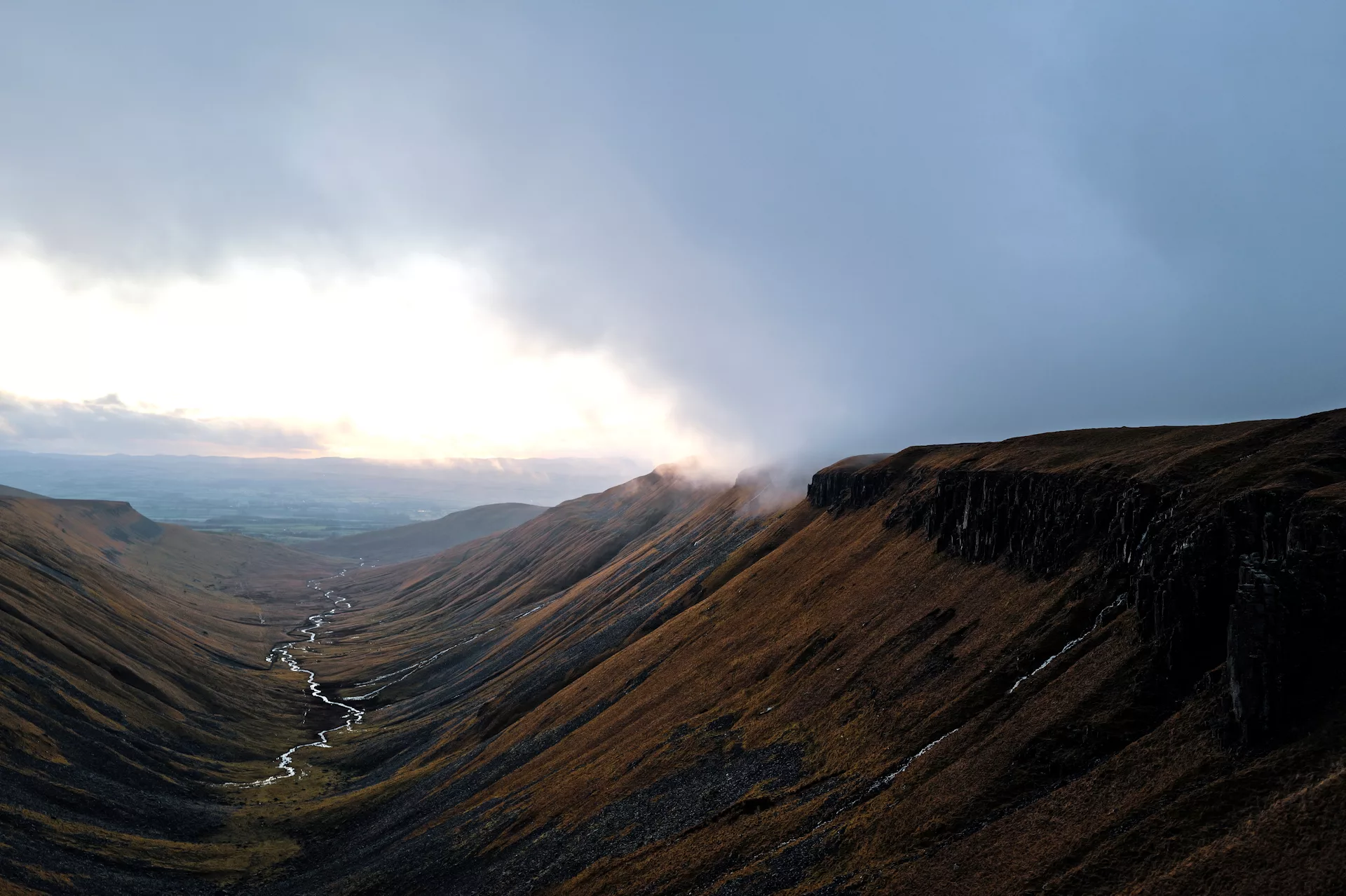
I also like working close, and the fact I was working with a wide-angle lens forced me to physically enter a scene rather than standing a long way away with a telephoto. That was particularly important with Spine because I wanted the pictures to feel intimate. You’re in the checkpoint, in the toilet block, beside the runner, out in the weather with them.
There’s obviously a risk in covering something this big with one camera and one fixed lens, but I actually found the restriction liberating. It gave the whole project a visual consistency and stopped me thinking about equipment.
Q It looks as though a lot of your shots were close-ups, focusing on the barriers that participants in the race were being asked to confront, such as exhaustion, isolation and sleep deprivation. Was this something you considered to be a key part of your coverage?
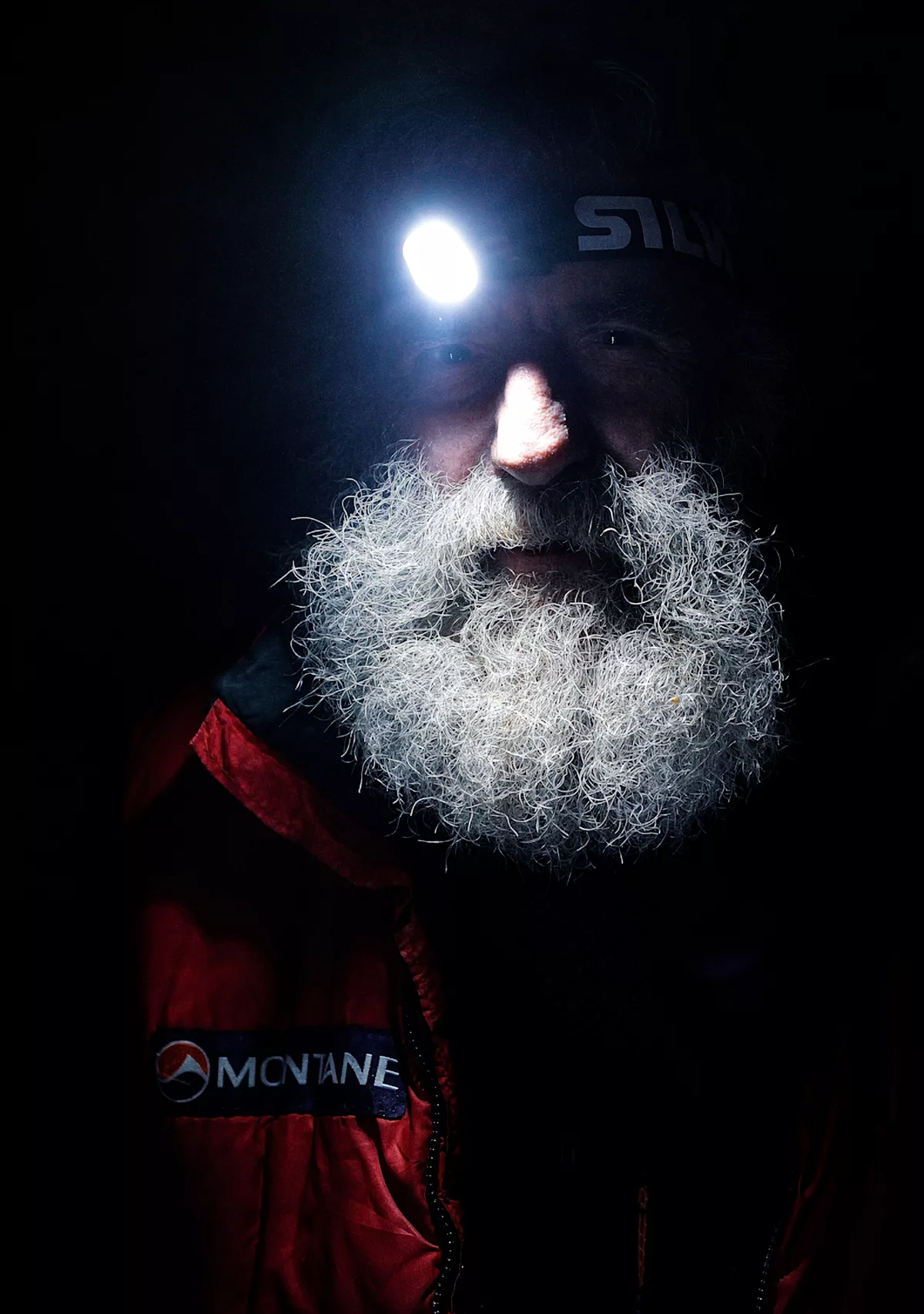
Very much so. I’m interested in faces, hands, body language and those moments where somebody momentarily forgets there’s a camera there. The landscapes establish where the race happens, but the close photographs tell you what it does to people.
I wanted the book to move between those two scales. One moment somebody might be a tiny figure completely swallowed by the Pennines, and a few pages later you’re inches away from an exhausted face at three in the morning. For me, that combination is what the Spine feels like. It’s simultaneously enormous and at the same time incredibly intimate.


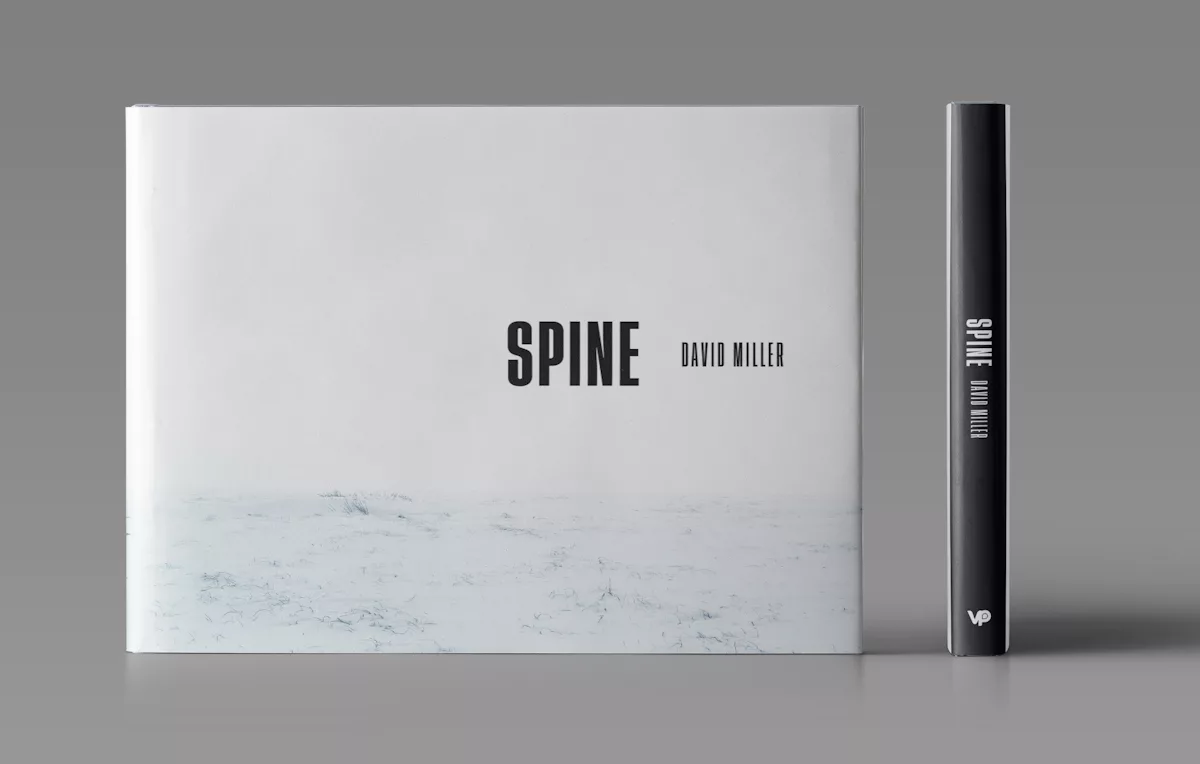
Q It’s good to see that you’ve achieved and exceeded your Kickstarter target. What made you look at going down this route, something I believe that you also did for your first book?
Kickstarter worked incredibly well for my first book, Do Not Block Gate. What I like about crowdfunding is that the audience becomes part of the project. You’re not producing thousands of books and hoping somebody buys them afterwards. You’re effectively asking people, ‘Do you want this to exist?’
With Spine the response has again been amazing. It funded within five days and went beyond the original target, which gives us the confidence to make the book properly rather than compromise on the physical object. That matters to me because I still really believe in photography books. We consume thousands of images on screens now and they disappear almost immediately. A book is different. It asks you to stop and spend some time with the photographs.
Ultimately that’s what I want Spine to be: not just a record of who ran a race and what happened, but a permanent photographic document of one extraordinary week on the Pennine Way.
More information: https://david-miller.uk/ Kickstarter.com spine
Instagram.com @davidmiller.photography Facebook.com @dav1dmillerphotography
Liinkedin.com @david-miller https://davidmillerphotography.substack.com/
Professional Photo Online Issue 246 August 2026


Samung Unveils its Next Gen SSDs
THE LATEST MEMORY announcement from Samsung sees the arrival of two new SSDs from the electronics giant, both of which feature the latest USB4 connectivity.
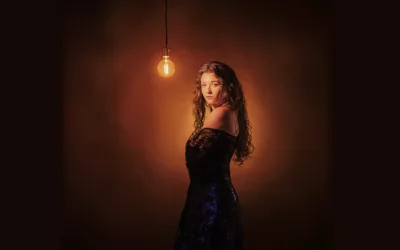
Pro Lighting Masterclass: Low-Key Warmth from a Domestic LED
While the end result might be a delightfully moody and classic portrait, the route to achieving this end didn’t require the use of sophisticated and expensive lighting, as Paul reveals in his latest lighting masterclass.

The Friday Fix Competition – Win a Samsung PRO Endurance MicroSD 256GB Card and Adaptor
We’ve got one of the latest Samsung PRO Endurance (MicroSD) 256GB cards to give away this week, complete with adaptor and offering blisteringly fast read/write speeds

Full Review: Philips 326P1H 32in Monitor
Professional creatives need a high performing monitor that’s up to the demands of viewing and editing their stills and video footage, and the latest Philips models have been designed to satisfy this demand while also offering useful extra features geared towards evolving user requirements.
Pro Talk – John Balsdon – Always Look Twice
Earlier this year fine art photographer and explorer John Balsdon set a new record for the completion of the legendary 20,000-mile Cape to Cape Road Challenge, a route that took him from Nordkapp in Norway to Cape Agulhas in South Africa. We caught up to find out more about his epic journey.

The Friday Fix Competition – Win a Lexar 128GB Professional Diamond Series CFexpress card worth £240!
Lexar Professional’s Diamond Series of Type B CFexpress cards is renowned for its quality and high level of performance, and is capable of blazingly fast read and write speeds. The good news is that we’ve got a 128GB version up for grabs in this week’s fantastic Friday Fix competition!

Pro Photo Podcast: Succession Weddings
In his regular Professional Podcast this month Cambridge Jones is talking about the memorable time he played a version of himself in the celebrated HBO TV series Succession, shooting pictures of the wedding between the characters Shiv Roy and Tom Wambsgans.

Pro Business: Controlling the Story
Photography has the power to shape opinions and create cultural memories, and yet there are times when the perception of images can lead to control of the planned story being lost. Damian McGillicuddy explains why briefs, judgements and professional skills matter more now than ever.

How to Recover Deleted Photos from a Camera SD Card
If there’s one thing guaranteed to send a shudder down the spine of any professional photographer it’s the thought of losing image files from a job, with all the implications for reputations and shattered relationships. So, what’s the rescue plan should the very worst happen?
© 2026, Professional Photo Online and associated copyright owners. . All rights reserved.


